Safe Trails Task Force Fremont County: How a Community Came Together to Protect What Matters Most
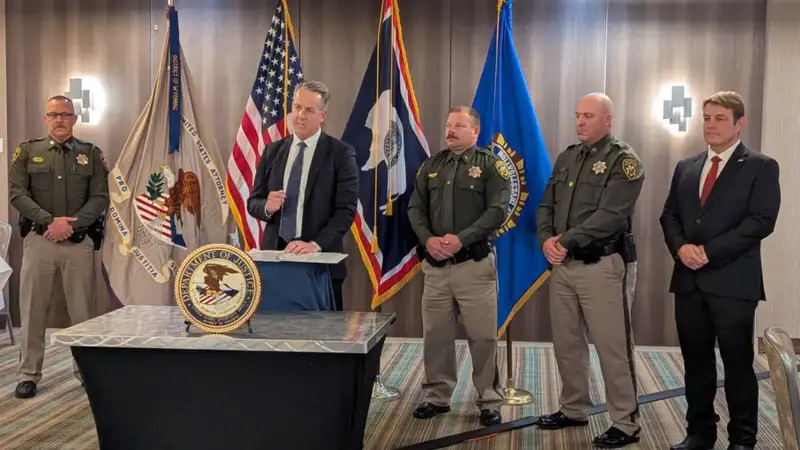
You know what’s interesting? Most of us don’t think about safety until it’s missing. We walk a trail, let our kids ride their bikes, or take an evening stroll assuming everything will be fine—until suddenly it isn’t. We’ve all been there, that moment of hesitation when something feels off, when a space that should feel peaceful suddenly doesn’t. And honestly, that’s where the story of the Safe Trails Task Force Fremont County really begins.
This isn’t just about trails, signage, or patrols. It’s about people. Families. Seniors. Outdoor lovers. Local residents who simply want to enjoy their community without worry. The Safe Trails Task Force in Fremont County exists because enough people finally said, “We can do better.” And trust me, once you understand how and why this task force came together, you’ll see why it matters far beyond just hiking paths.
So let’s slow down, take a proper look, and unpack what the Safe Trails Task Force Fremont County is all about—where it started, what it does, and why its work quietly impacts everyday life more than most people realize.
What Is the Safe Trails Task Force Fremont County?
At its core, the Safe Trails Task Force Fremont County is a collaborative effort. It brings together local authorities, community members, outdoor organizations, and safety advocates with one shared goal: making trails and public outdoor spaces safer, more accessible, and more welcoming for everyone.
But here’s the thing—this task force isn’t just a government initiative sitting on paper. It’s a living, breathing example of community involvement. It exists because residents spoke up, concerns were raised, and people realized that waiting for someone else to fix the problem wasn’t enough anymore.
Why the Task Force Was Needed in the First Place
Fremont County is known for its beautiful outdoor spaces. Trails wind through scenic landscapes, offering recreation, exercise, and a sense of escape. But beauty alone doesn’t guarantee safety. Over time, concerns began to surface—reports of unsafe conditions, poor maintenance, limited visibility, lack of signage, and occasional incidents that made people uneasy.
To be honest, none of these issues appeared overnight. They built up slowly. And like many community problems, they lingered until enough voices joined together to demand action. That collective push led directly to the formation of the Safe Trails Task Force Fremont County.
The Human Side of Trail Safety
It’s easy to talk about safety in abstract terms, but let’s bring it back to real life for a moment.
Trails Are More Than Just Paths
For some people, trails are workout routes. For others, they’re mental health lifelines. Parents walk them with strollers. Seniors rely on them for gentle movement. Teenagers use them as social spaces. And outdoor enthusiasts see them as gateways to nature.
When trails don’t feel safe, entire groups quietly disappear. People stop going. Routines break. Communities lose shared spaces. And that’s why the Safe Trails Task Force Fremont County focuses not just on infrastructure, but on how people feel when they’re out there.
Safety Means Different Things to Different People
What feels safe to one person might not feel safe to another. A well-lit path might be enough for some, while others worry about visibility, emergency access, or isolated stretches. The task force acknowledges this complexity, which is honestly refreshing in a world that often oversimplifies problems.
How the Safe Trails Task Force Fremont County Operates
One of the most important things to understand is that this task force doesn’t work in isolation.
Collaboration Over Command
Rather than dictating solutions, the Safe Trails Task Force Fremont County emphasizes listening. Community feedback plays a central role. Residents report concerns. Local groups share insights. Law enforcement provides data. Trail users describe real experiences.
And you know what’s interesting? That collaborative approach builds trust. People feel heard. And when people feel heard, they’re more willing to participate, volunteer, and protect shared spaces.
Data, Observation, and Real-World Experience
The task force looks at:
- Incident reports
- Trail usage patterns
- Maintenance gaps
- Environmental factors
- Accessibility concerns
But they also walk the trails themselves. They see what residents see. That hands-on approach keeps decisions grounded in reality instead of assumptions.
Key Goals of the Safe Trails Task Force Fremont County
The mission of the Safe Trails Task Force Fremont County is broad, but its goals are clear and practical.
1. Improving Physical Safety on Trails
This includes things like:
- Better lighting
- Clear signage
- Improved visibility
- Regular maintenance
- Emergency access planning
These might sound basic, but you’d be surprised how much they matter. A single sign can prevent confusion. A trimmed tree line can improve visibility. Small changes add up fast.
2. Encouraging Responsible Trail Use
Safety isn’t just about infrastructure—it’s also about behavior. The task force works to promote respectful trail use, helping people understand shared responsibilities. Cyclists, walkers, runners, and families all need space to coexist safely.
3. Building a Culture of Awareness
Rather than relying only on enforcement, the Safe Trails Task Force Fremont County focuses on education. When people understand risks and expectations, they make better choices naturally.
Community Involvement: The Heart of the Task Force
This is where things get truly powerful.
Residents as Partners, Not Bystanders
The task force actively encourages residents to participate—whether through meetings, surveys, volunteering, or reporting issues. That sense of shared ownership transforms how people treat public spaces.
When people feel responsible, they protect what they love.
Why Local Voices Matter So Much
No one understands a trail better than the people who use it regularly. Locals notice changes quickly. They know where lighting fades, where visibility drops, and where people tend to feel uncomfortable. The Safe Trails Task Force Fremont County recognizes this and treats local insight as a critical resource, not an afterthought.
Challenges the Safe Trails Task Force Fremont County Faces
Let’s be honest—no initiative like this is without challenges.
Balancing Resources and Expectations
Funding, manpower, and time are always limited. Meanwhile, expectations can be high. People want quick fixes, but meaningful improvements take planning and coordination.
Serving Diverse Needs
Different users want different things. What helps one group might inconvenience another. Finding balance requires patience, communication, and compromise.
Maintaining Momentum Over Time
Initial enthusiasm is powerful, but long-term success depends on consistency. The task force must keep engagement alive even when progress feels slow.
Why Safe Trails Matter for the Future of Fremont County
This goes beyond recreation.
Public Safety and Mental Well-Being
Safe outdoor spaces encourage movement, reduce stress, and strengthen mental health. When trails feel welcoming, people use them more—and communities grow healthier together.
Economic and Social Benefits
Well-maintained, safe trails attract visitors, support local businesses, and enhance property values. They also create shared spaces where people connect naturally.
The Safe Trails Task Force Fremont County plays a quiet but crucial role in shaping that future.
How You Can Support the Safe Trails Task Force Fremont County

You don’t need a title to help.
Simple Ways to Get Involved
- Report issues when you see them
- Attend community meetings
- Respect trail rules
- Encourage others to do the same
- Volunteer when possible
Even small actions contribute to a larger culture of safety and care.
Conclusion: Safety Grows Where Community Leads
The Safe Trails Task Force Fremont County is proof that meaningful change doesn’t always start with big headlines. Sometimes it starts with neighbors paying attention, speaking up, and choosing to care.
Safe trails don’t happen by accident. They’re built through collaboration, patience, and shared responsibility. And if there’s one takeaway here, it’s this: when communities come together, even the quiet paths become stronger, safer, and more welcoming for everyone.
FAQs: Safe Trails Task Force Fremont County
Q1: What is the Safe Trails Task Force Fremont County?
It’s a community-focused initiative aimed at improving safety, accessibility, and awareness on public trails throughout Fremont County.
Q2: Who is involved in the task force?
Local authorities, community members, safety advocates, and outdoor organizations all contribute to the task force’s efforts.
Q3: How does the task force improve trail safety?
Through collaboration, data analysis, community feedback, maintenance improvements, and educational outreach.
Q4: Can residents participate in the Safe Trails Task Force Fremont County?
Yes. Community involvement is encouraged through reporting concerns, attending meetings, and supporting trail safety initiatives.














Post Comment