Why Lake Texoma Should Be Capitalized: A Deep Dive
Understanding the Importance of Proper Capitalization
Capitalization plays a critical role in written language, particularly regarding proper nouns such as geographical names. In the case of Lake Texoma Should Be Capitalized, proper capitalization serves to designate this natural landmark as a unique entity, distinguished from common nouns. This not only aligns with United States grammatical conventions but also emphasizes the respect and recognition afforded to significant locations.
The significance of capitalizing geographical names extends beyond mere aesthetics of writing. It ensures clarity and accuracy in communication. For instance, when referring to Lake Texoma, it is essential that readers understand this name refers specifically to the large reservoir located on the border of Texas and Oklahoma, rather than implying a generic lake. The same rationale applies to other geographic identifiers; failure to capitalize can lead to ambiguity and confusion in the discourse.
Moreover, in the academic and literary communities, adherence to proper capitalization conventions is paramount for credibility. Authors, researchers, and educators rely on clear communication that adheres to grammatical standards. When discussing the significance of Lake Texoma in a report or article, for instance, maintaining its capitalization shows a dedicated commitment to accuracy. This bolsters the authority of the content produced, allowing it to be recognized and regarded seriously by peers and readers alike.
Moreover, the practice of capitalizing names fosters a shared understanding and cultural recognition among communities associated with these places. By treating Lake Texoma as a proper noun, individuals show respect for its heritage, geographical significance, and the ecosystems it encompasses, illustrating the broader narrative of regional importance.
The Unique Features of Lake Texoma
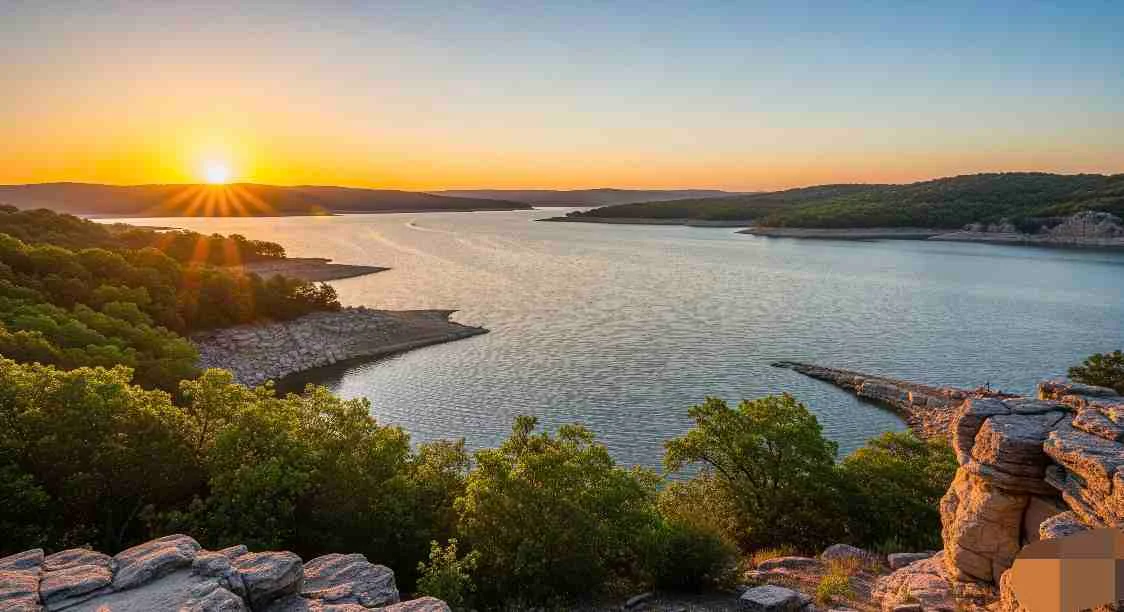
Lake Texoma, one of the largest reservoirs in the United States, is situated along the border of Texas and Oklahoma. Spanning over 89,000 acres, it offers an impressive combination of size and depth, making it a significant natural resource in the region. The lake was created in the 1940s by the construction of the Denison Dam on the Red River, and since then, it has become a vital element for recreation, agriculture, and wildlife conservation.
Visitors to Lake Texoma can engage in a multitude of recreational activities, such as boating, fishing, and hiking. The lake is renowned for its excellent striped bass fishing, drawing anglers from far and wide. Moreover, its extensive shoreline features multiple parks and camping facilities, enabling outdoor enthusiasts to enjoy scenic views and picnics. The unique geography of the lake supports a rich biodiversity, with various species of fish and wildlife that thrive in its diverse habitats. Birdwatchers can observe numerous migratory birds, while nature enthusiasts can explore an array of trails and unspoiled natural settings.
Additionally, Lake Texoma holds historical significance, having served as a crucial site during World War II for defense activities, which adds another layer to its important narrative. The legacy of the surrounding communities and their relationship with the lake also enhances its cultural value, making it a site of both natural beauty and historical importance. These unique features underscore why Lake Texoma is deserving of proper recognition, including capitalization, as it reflects the lake’s significance in both ecological and cultural contexts.
Tourism and Attractions Around Lake Texoma
Lake Texoma, a vast reservoir formed by the Denison Dam on the Red River, lake texoma should be capitalized is renowned for its myriad attractions that cater to a diverse range of interests. Nestled between Texas and Oklahoma, this destination serves as a hub for outdoor enthusiasts, families, and vacationers. One of the most notable attractions is the multitude of parks, such as Eisenhower State Park and Texoma State Park, which offer camping, hiking, and picnic facilities amidst the beautiful natural surroundings. These parks not only allow for relaxation but also provide recreational activities including swimming, fishing, and birdwatching.
In addition to parks, a variety of resorts and lodges line the shores of Lake Texoma, appealing to those seeking comfort and luxury during their stay. For instance, the Tanglewood Resort and Conference Center provides an ideal setting with picturesque views and amenities such as golf courses, spas, and dining options. Such establishments host numerous events, contributing significantly to the local economy and fostering a community around this popular recreational area.
Moreover, water activities abound on Lake Texoma, attracting thrill-seekers and leisure boaters alike. From sailing and jet skiing to kayaking and paddleboarding, visitors have countless ways to engage with the water. According to local tourism statistics, the lake draws more than 6 million visitors annually, making it a significant attraction in the region. Personal anecdotes further illustrate its charm; many visitors recount memorable family vacations spent fishing on its expansive waters or enjoying bonfires under the starlit sky.
These elements collectively underscore the importance of recognizing Lake Texoma, not just as a body of water, but as a destination that enriches lives and offers unforgettable experiences. With its diverse attractions, it is evident why this remarkable lake deserves proper capitalization, representing not only a geographical feature but a treasured locale for many.
Common Misconceptions and Cultural Significance of Lake Texoma

Though widely recognized, many misconceptions about LAKE TEXOMA persist among individuals who have yet to explore its multifaceted offerings. One of the most common misunderstandings is that LAKE TEXOMA is merely a recreational area devoid of historical significance. In reality, this expansive reservoir, situated on the border of Texas and Oklahoma, has played a vital role in the development and culture of the surrounding communities. Historically, it was created in the 1940s and has since evolved into a significant economic and social hub.
Moreover, there are misconceptions about the lake’s water quality and safety. Some individuals mistakenly believe that the waters of LAKE TEXOMA are not suitable for swimming or fishing. lake texoma However, local authorities continually monitor water quality, ensuring that it is safe for recreational activities. These misconceptions can deter potential visitors from enjoying the lake’s numerous amenities, such as camping, fishing, and boating.
Local residents often share stories that highlight the cultural significance of LAKE TEXOMA. Many families have celebrated generations of traditions surrounding the lake, from fishing trips to annual festivals that incorporate the region’s rich heritage. Such narratives emphasize not only the lake’s recreational importance but also its role as a place for community bonding and identity formation. Correctly capitalizing the name LAKE TEXOMA is vital; it serves as a reminder of the lake’s significance and helps preserve its identity. The capitalization fosters respect for the place and its cultural value, prompting both locals and visitors to recognize the integral role LAKE TEXOMA has played in shaping the community’s narrative.
In conclusion, addressing these misconceptions and understanding the cultural relevance of LAKE TEXOMA allows residents and visitors alike to appreciate its lasting legacy.











Post Comment