Engaging Insights into Classroom 30x: Revolutionizing Learning Environments
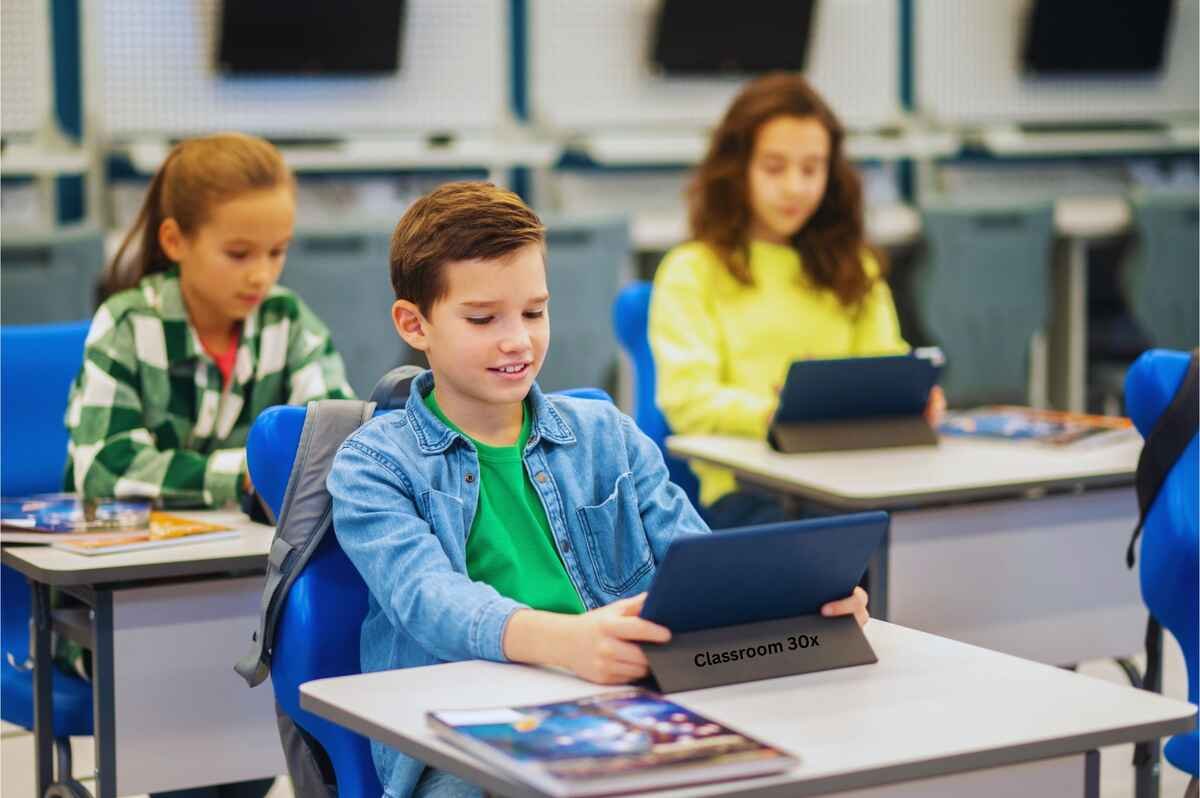
Understanding Classroom 30x: Definition and Background
The term “classroom 30x” essentially refers to a transformative approach to teaching and learning, driven by innovative methodologies and technological advancements. Originating from the need to adapt traditional educational practices to meet the diverse needs of modern learners, classroom 30x embodies a student-centered environment that promotes engagement and collaboration. It emphasizes a significant shift away from the conventional teacher-focused model, allowing for enhanced interaction between students and teachers.
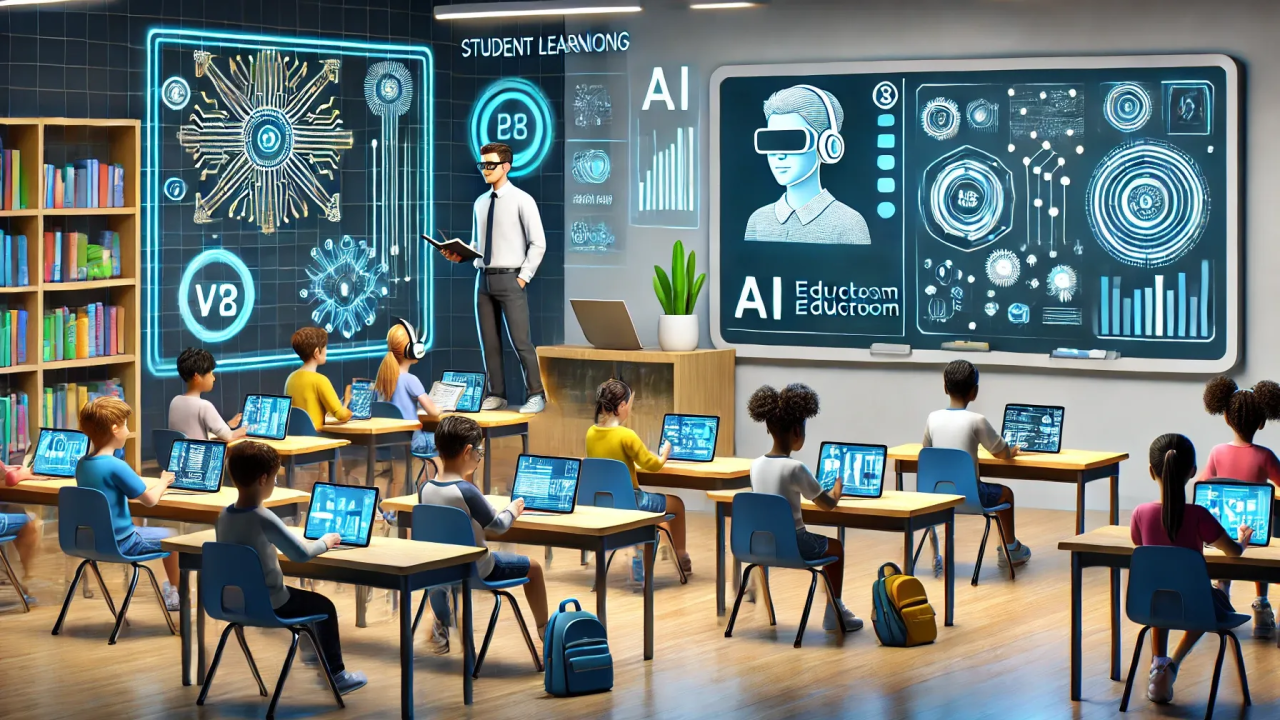
Central to the concept of classroom 30x is the integration of technology, which serves as a catalyst for promoting deeper learning experiences. In this context, classrooms are equipped with digital tools, interactive platforms, and resources that make knowledge acquisition more dynamic and accessible. Technologies such as virtual reality, smart boards, and collaborative software applications redefine the traditional boundaries of the learning space, enabling students to actively participate in their education.
Moreover, classroom 30x employs contemporary pedagogical strategies that prioritize critical thinking, creativity, and emotional intelligence. Teachers are encouraged to facilitate learning experiences that not only impart knowledge but also foster skills vital for success in the 21st century. This shift acknowledges the varying learning styles and preferences of students, allowing them to take ownership of their educational journeys.
Over the years, the evolution of classroom settings has shifted from static environments to more fluid and adaptable realms. Educational trends such as flipped classrooms, project-based learning, and experiential learning strategies greatly contribute to the rise of classroom 30x. These trends illustrate a commitment to continuous improvement in educational practices, reflecting an awareness of the need to cultivate critical skills among learners while fostering an inclusive learning atmosphere.
The Importance of Classroom 30x in Today’s Education
The traditional education model has undergone significant scrutiny in recent years, emphasizing the need for a shift towards more engaging and collaborative learning environments. The classroom 30x model addresses this gap by fostering a dynamic atmosphere that aligns with the evolving skills necessary for today’s workforce. This modern approach goes beyond rote memorization and seeks to cultivate critical thinking, creativity, and effective collaboration among students.
In the classroom 30x setting, student engagement is significantly enhanced. By incorporating various interactive methods, educators are able to capture students’ attention and cater to their diverse learning styles. This is especially important as students today come from different backgrounds and possess varied interests, highlighting the necessity for adaptable teaching strategies that the classroom 30x model encourages. Furthermore, the emphasis on teamwork and dialogue prepares students to thrive not just academically but also in their future careers, where collaboration is increasingly paramount.
The role of technology in classroom 30x cannot be overstated. Digital tools and resources facilitate impactful learning experiences that encourage active participation and real-time feedback. This integration of technology transforms the classroom into a space where students not only consume information but also create and innovate. Interactive simulations, collaborative platforms, and multimedia resources present opportunities for learners to apply their knowledge in practical settings, honing their problem-solving skills and fostering a deeper understanding of the subject matter.
Overall, the classroom 30x model is essential to meet the demands of today’s educational landscape. By focusing on engagement, collaboration, and the integration of technology, educators are not only enriching the learning experience but also preparing students for the complexities of the modern workforce. This transformative approach paves the way for future-ready individuals who can navigate challenges with confidence and creativity.
Implementing Classroom 30x: Key Strategies and Best Practices
Implementing the classroom 30x model requires thoughtful planning and execution. Educators must adopt strategies that align with the principles of collaboration, technology integration, and active learning. One primary approach involves designing lessons that prioritize group work and peer-to-peer learning. By encouraging students to work in diverse teams, educators can foster an environment where various perspectives contribute to a richer learning experience.
The integration of technology is another cornerstone of the classroom 30x approach. Utilizing digital tools creates opportunities for dynamic interactions and enhances learning experiences. For instance, incorporating educational software that facilitates real-time feedback allows students to assess their understanding promptly. Moreover, employing online platforms for collaborative projects can significantly improve engagement among learners, thus promoting a sense of responsibility in their education.
Active participation is crucial to the success of the classroom 30x model. Techniques such as flipping the classroom enable educators to assign instructional content for students to review at home, reserving in-class time for discussions or hands-on activities that deepen their understanding. This method not only encourages students to take charge of their learning but also allows educators to address individual needs more effectively.
Case studies from schools that have embraced the classroom 30x model highlight the importance of professional development for teachers. Continuous training and support ensure that educators are well-equipped to implement innovative strategies and adapt to evolving educational demands. Schools that provide mentorship and collaborative opportunities for teachers see more successful integration of these strategies into their curriculum.
Ultimately, the successful implementation of classroom 30x necessitates a holistic approach, integrating various teaching strategies and remaining responsive to the students’ needs. By envisioning a classroom environment anchored in collaboration, technology, and active engagement, educators can truly revolutionize the learning experience.
Challenges and Solutions in Transitioning to Classroom 30x

The transition to classroom 30x presents a unique set of challenges that educators and institutions may face. One significant obstacle is resistance to change, which can occur at various levels within the educational environment. Many educators may be accustomed to traditional teaching methods and may feel apprehensive about adopting new technologies or pedagogical approaches associated with classroom 30x. Furthermore, the varying degrees of technological proficiency among teachers and students can exacerbate this issue, leading to anxiety and uncertainty regarding the effective utilization of the advancements available in a modern classroom setting.
Another challenge that educational institutions may encounter is the limitation of resources. The implementation of classroom 30x often requires investment in infrastructure, such as high-speed internet access, updated hardware, and supportive software solutions. Unfortunately, budget constraints can hinder these necessary upgrades, rendering the full benefits of classroom 30x unattainable without adequate financial support.
To successfully navigate these challenges, it is crucial to implement targeted strategies that foster a smoother transition to classroom 30x. Professional development programs play a vital role by ensuring that educators are equipped with the skills and knowledge necessary to integrate technology effectively into their teaching methodologies. Collaboration and community support are also essential, encouraging a culture of continuous learning where both students and teachers can share their experiences and insights as they adapt to the emerging educational landscape.
Additionally, it is important to encourage a growth mindset within the teaching staff, promoting the idea that adaptability and learning from mistakes are crucial in navigating the transition. Through these approaches, institutions can pave the way for a successful shift toward classroom 30x, ultimately enhancing the learning experiences offered to students and fostering a more dynamic educational atmosphere.











Post Comment