Exploring the Latest Tech Trends in GFXProjectality
Introduction to Tech Trends in GFXProjectality
In recent years, tech trends have rapidly evolved, reflecting the dynamic nature of advancements in the field of GFXProjectality. This term encompasses a range of innovative practices, technologies, and methodologies that shape the creation and execution of graphics-related projects. As digital tools become increasingly sophisticated, professionals in the tech industry must understand these trends to remain competitive and effective in their roles.
The relevance of GFXProjectality within the current digital landscape cannot be understated. As we navigate an era characterized by constant technological change, staying updated with the latest trends is not merely beneficial; it is essential. For example, the integration of artificial intelligence in graphic design processes highlights just one of the significant shifts impacting GFXProjectality. This trend not only streamlines workflow but also enhances creativity, allowing designers to focus on more complex aspects of their projects.
Furthermore, the intersection of GFXProjectality and cutting-edge technology fosters new avenues for creative expression. As various tools and platforms evolve, they offer unique functionalities that can transform traditional practices. By embracing these tech trends, graphic professionals can leverage enhanced capabilities and deliver higher quality output, making adaptability crucial in this fast-paced environment.
Ultimately, understanding tech trends in GFXProjectality empowers industry professionals to harness new tools and methodologies, ensuring they craft innovative, engaging visuals. Staying abreast of these developments not only impacts personal careers but also influences broader industry standards and trends, paving the way for the future of graphic artistry.
Key Emerging Technologies in GFXProjectality
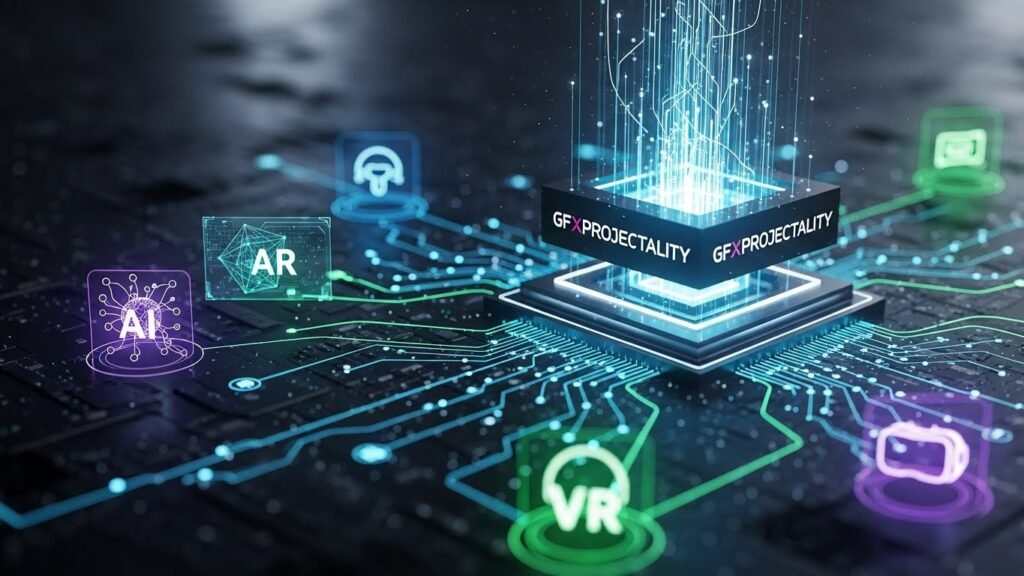
The realm of GFXProjectality has witnessed a dramatic evolution, largely driven by the integration of emerging technologies. These innovations are reshaping how graphic design and visual storytelling are approached, providing artists and designers with enhanced capabilities. Among the most significant technologies leading this transformation are artificial intelligence (AI), virtual reality (VR), and augmented reality (AR).
Artificial intelligence is revolutionizing the creative process by enabling designers to automate routine tasks, optimize workflows, and generate creative content through machine learning algorithms. AI-powered tools assist in analyzing user preferences and predicting trends, thus equipping professionals with the insights needed to tailor their designs effectively. Not only does this enhance efficiency, but it also allows for a more personalized approach to graphic projects, making it possible to connect deeply with target audiences.
Virtual reality has opened up new dimensions for visual storytelling, creating immersive environments that engage users on a deeper level. Through VR, designers can craft interactive experiences, allowing users to step into a story or visual narrative. This technology enhances user engagement, particularly in fields like gaming, advertising, and education, where immersive experiences are paramount.
Augmented reality complements VR by overlaying digital information onto the real-world environment. This technology enables graphic designers to create interactive content that captures the audience’s attention in innovative ways. From enhancing marketing campaigns to developing interactive art installations, AR democratizes access to creative experiences and encourages exploration.
In addition to AI, VR, and AR, the advent of blockchain technology also influences GFXProjectality, offering new avenues for digital ownership and authenticity in visual art. With smart contracts and decentralized platforms, artists can secure their work and ensure rightful compensation.
Impact on Industries and Job Market
The rapid evolution of tech trends, particularly within the realm of GFXProjectality, has far-reaching implications for various industries. As organizations increasingly adopt advanced graphics technology and digital solutions, sectors such as advertising, gaming, and online education are undergoing significant transformation. The ability to create high-quality visuals has shifted from being a luxury to a necessity. Consequently, companies are prioritizing tech-savvy professionals who possess specialized skills in graphic design and digital content creation.

As GFXProjectality continues to evolve, the demand for jobs in graphic design and related fields is projected to rise. Professionals equipped with contemporary skills, such as proficiency in user interface (UI) and user experience (UX) design, as well as a solid understanding of digital marketing strategies, will be in particularly high demand. The integration of augmented reality (AR) and virtual reality (VR) into marketing campaigns is creating an urgent need for talents who can blend these technologies with traditional graphic design. Furthermore, data visualization skills are increasingly important as companies seek to communicate complex information more effectively.
Looking ahead, the job market will likely require adaptability and continuous learning from professionals. As tech trends in GFXProjectality advance, individuals will need to stay abreast of new software tools, design methodologies, and industry best practices. The rise of automation and artificial intelligence may also impact job roles, pushing professionals to develop hybrid skill sets that encompass both creative and technical proficiencies.
In conclusion, tech trends in GFXProjectality are reshaping industries and redefining the job market. The evolving landscape necessitates that graphic design professionals acquire a diverse repertoire of skills to meet emerging demands. Staying informed about these trends becomes essential for anyone looking to thrive in this dynamic environment.
Future Predictions and Conclusion
The landscape of GFXProjectality is rapidly evolving, influenced by a myriad of emerging tech trends. As we look towards the future, it is evident that innovations in artificial intelligence, machine learning, and virtual reality will play crucial roles in shaping the next generation of graphic experiences. The integration of AI is expected to enhance creativity and efficiency, pushing the boundaries of what’s possible in digital designs. Users will likely see more adaptive tools that cater to individual preferences, thus streamlining workflows across various creative sectors.
Next, we must acknowledge the importance of sustainability in technological advancements. As GFXProjectality continues to modernize, it will increasingly incorporate eco-friendly practices, driven by both consumer demand and regulatory pressures. Companies may adopt more sustainable materials for production and lower-energy consumption protocols, ensuring that tech trends are aligned with responsible environmental stewardship. This shift not only benefits the planet but also connects with increasingly conscious consumers who prioritize sustainability in their purchasing decisions.
Looking ahead, continuous professional development will be essential for individuals in the graphic arts field to stay relevant. Engaging with these tech trends in GFXProjectality, such as real-time collaboration tools and enhanced data visualization techniques, will be vital for any professional seeking to thrive. Moreover, educational institutions are likely to evolve their curricula to include these advancements, preparing the next wave of graphic designers for the demands of the market.
In conclusion, the future of GFXProjectality promises a blend of exciting opportunities and challenges. By staying informed and adaptable to shifting tech trends, professionals can position themselves favorably in this dynamic landscape. The need for ongoing learning and adaptation will be paramount, ensuring that individuals not only keep pace with technological changes but also leverage them for creative and professional growth.














Post Comment