Jamaica Hurricane: Understanding the Storms That Shape an Island’s Strength and Spirit
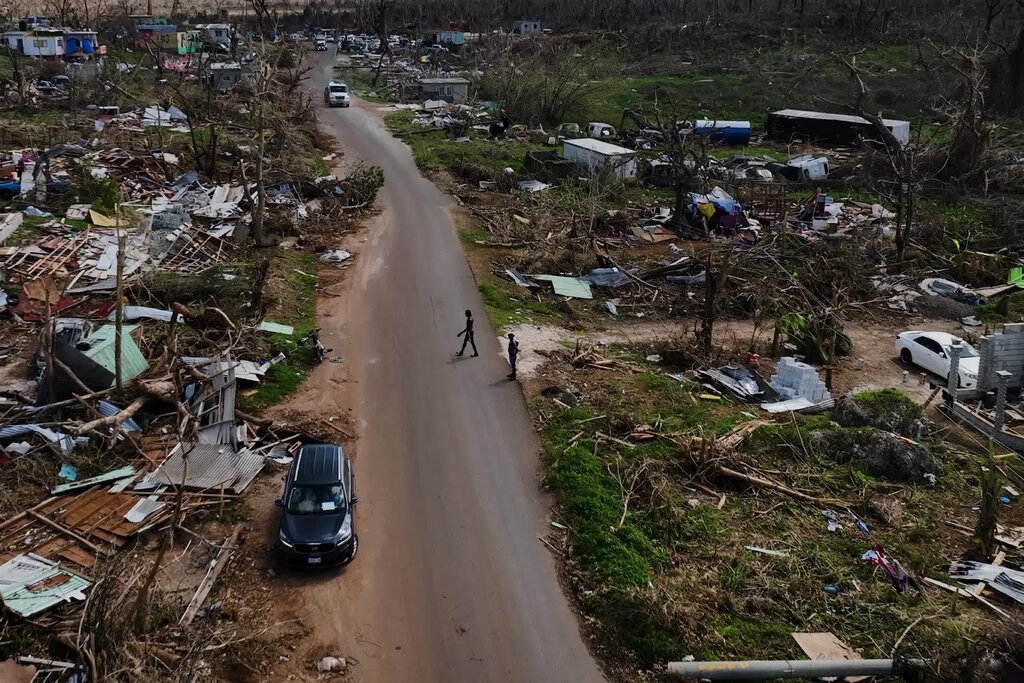
You know what’s interesting? For people living on an island like Jamaica, the word hurricane doesn’t just describe weather. It carries memories. Sounds. Smells. That eerie calm before the wind arrives. The way the sky changes color. The nervous jokes people crack just to stay calm. And the quiet strength that shows up afterward when communities rebuild together.
We’ve all been there in one way or another — watching storm updates, refreshing weather apps, hoping the track shifts just enough to spare homes and lives. A Jamaica hurricane isn’t just a natural event; it’s a shared emotional experience that tests preparation, patience, and resilience. And while hurricanes may come and go, the lessons they leave behind stay for generations.
This article takes a deep, human look at Jamaica hurricane — not just what they are, but how they affect daily life, communities, infrastructure, and even identity. We’ll talk about history, preparedness, impacts, myths, and practical advice, all in a tone that feels like a conversation rather than a lecture. Trust me, by the end, you’ll understand why hurricanes are feared, respected, and somehow woven into the story of Jamaica itself.
Why Jamaica Is Vulnerable to Hurricanes
Jamaica’s location in the Caribbean Sea places it directly in the path of tropical weather systems that form over warm Atlantic waters. Hurricanes thrive on warm ocean temperatures, and unfortunately, the Caribbean often provides the perfect conditions.
But here’s the thing — being vulnerable doesn’t mean being helpless. Jamaicans have lived with hurricanes for centuries. They understand the rhythms of the storm season, the warning signs, and the importance of preparation. Still, every Jamaica hurricane is different. Some bring heavy rain and flooding. Others arrive with destructive winds that tear through roofs, power lines, and crops.
Geography plays a huge role too. Mountainous regions can experience landslides, while coastal areas face storm surges and flooding. That combination makes hurricanes especially complex and unpredictable on the island.
A Brief History of Major Jamaica Hurricanes
When you look back at Jamaica’s past, hurricanes appear again and again — sometimes mild, sometimes devastating. These storms have shaped infrastructure decisions, building codes, and emergency planning.
Older generations still talk about historic storms that changed lives overnight. Crops destroyed, homes lost, and communities forced to start over. And yet, each time, Jamaica rebuilt. That cycle of destruction and recovery has created a culture that respects nature’s power without surrendering to fear.
What’s important to understand is that hurricanes aren’t rare events here. They’re expected during certain months. That expectation drives preparation — and preparation saves lives.
The Emotional Side of a Jamaica Hurricane
Fear, Uncertainty, and Waiting
One of the hardest parts of a hurricane isn’t the storm itself — it’s the waiting. The hours or days leading up to landfall are filled with uncertainty. Will it hit directly? Will it weaken? Will my home be safe?
We’ve all felt that tension. Phones buzzing with alerts. Radio updates playing in the background. People checking on neighbors, stocking supplies, and quietly hoping for the best. A Jamaica hurricane brings people closer, even before the first raindrop falls.
Community Strength After the Storm
Once the storm passes, something powerful happens. Communities come together. People share food, help clear debris, and check on the elderly. There’s grief, yes, but also gratitude. Surviving a hurricane often reminds people what truly matters.
Understanding Hurricane Categories and What They Mean for Jamaica
Not all hurricanes are equal. Categories are based on wind speed, but their impact depends on many factors, including rainfall, speed of movement, and terrain.
- Category 1–2: Often bring strong winds and heavy rain, causing flooding and power outages.
- Category 3–5: These are major hurricanes, capable of widespread destruction, especially to infrastructure and agriculture.
A common mistake people make is focusing only on category numbers. Even a weaker storm can cause serious flooding and landslides in Jamaica’s terrain. That’s why every Jamaica hurricane is taken seriously, regardless of category.
How Hurricanes Affect Daily Life in Jamaica
Power, Water, and Communication
One of the first things to go during a hurricane is electricity. Power lines fall, communication towers get damaged, and suddenly the modern world feels very far away. Water supply can also be disrupted, especially in rural areas.
That’s why preparation often includes storing clean water, charging devices, and having backup lighting. These aren’t luxuries — they’re necessities.
Transportation and Access
Roads can flood or become blocked by debris, cutting off access to certain areas. This affects emergency services, supply delivery, and even family reunions after the storm.
The Impact of Jamaica Hurricanes on Agriculture and Economy
Agriculture is deeply tied to Jamaica’s economy, and hurricanes can be devastating for farmers. Crops like bananas, sugarcane, and coffee are especially vulnerable to strong winds and heavy rain.
A single Jamaica hurricane can wipe out months of hard work, affecting not just farmers but entire supply chains. Recovery takes time, money, and support — which is why disaster planning often includes agricultural assistance programs.
Tourism, another key sector, also feels the impact. Flights are canceled, resorts close temporarily, and bookings drop. However, Jamaica’s tourism industry has proven remarkably resilient, often rebounding faster than expected.
Preparing for a Jamaica Hurricane: Practical Advice That Matters
Preparation isn’t about panic. It’s about peace of mind.
Before the Hurricane
- Secure windows and doors
- Stock non-perishable food and clean water
- Keep important documents safe and dry
- Check on neighbors, especially the elderly
These small actions make a huge difference when a storm hits.
During the Hurricane
Stay indoors. Avoid windows. Listen to official updates. And most importantly, don’t underestimate the storm. Many injuries happen when people try to “check outside” too early.
After the Hurricane
Once it’s safe, assess damage carefully. Watch for downed power lines and unstable structures. Help others if you can. Recovery is faster when communities work together.
Myths and Misunderstandings About Jamaica Hurricanes
One common myth is that hurricanes always strike directly. In reality, near-misses can still cause severe damage through rain and wind bands.
Another misconception is that newer buildings are always safe. While modern construction helps, no structure is completely hurricane-proof. Respecting warnings is essential.
Understanding these truths helps people respond smarter, not harder.
Climate Change and the Future of Hurricanes in Jamaica
Here’s where things get serious. Climate change is affecting hurricane behavior worldwide, and Jamaica is no exception. Warmer oceans mean storms can intensify faster and carry more moisture, leading to heavier rainfall.
This doesn’t mean hurricanes will happen every year, but it does mean preparation and infrastructure planning are more important than ever. Jamaica has already begun adapting — improving building codes, emergency response systems, and public awareness campaigns.
Why Jamaica Continues to Stand Strong

Despite the risks, Jamaica remains vibrant, welcoming, and resilient. Hurricanes test the island, but they don’t define it. Each storm is met with preparation, courage, and unity.
A Jamaica hurricane may disrupt life temporarily, negril jamaica hurricane melissa but it also reveals the strength of people who refuse to be broken by nature’s challenges.
Conclusion: Respect the Storm, Trust the Strength
Hurricanes are powerful. They demand respect, preparation, and humility. But they also reveal something beautiful — the strength of human connection.
If there’s one thing to remember about a Jamaica hurricane, it’s this: storms pass, but resilience remains. Stay informed. Stay prepared. And never underestimate the power of community when the winds finally die down.
FAQs About Jamaica Hurricanes
Q1: When is hurricane season in Jamaica?
Hurricane season typically runs from June to November, with peak activity in late summer.
Q2: Are all Jamaica hurricanes dangerous?
Yes. Even weaker storms can cause flooding, landslides, and power outages.
Q3: How do people in Jamaica prepare for hurricanes?
Through early warnings, emergency supplies, securing homes, and community support systems.
Q4: Has climate change affected Jamaica hurricanes?
Yes. Warmer oceans are increasing the potential intensity and rainfall of storms.














Post Comment