Exploring Nova Scola: A Dynamic Approach to Education
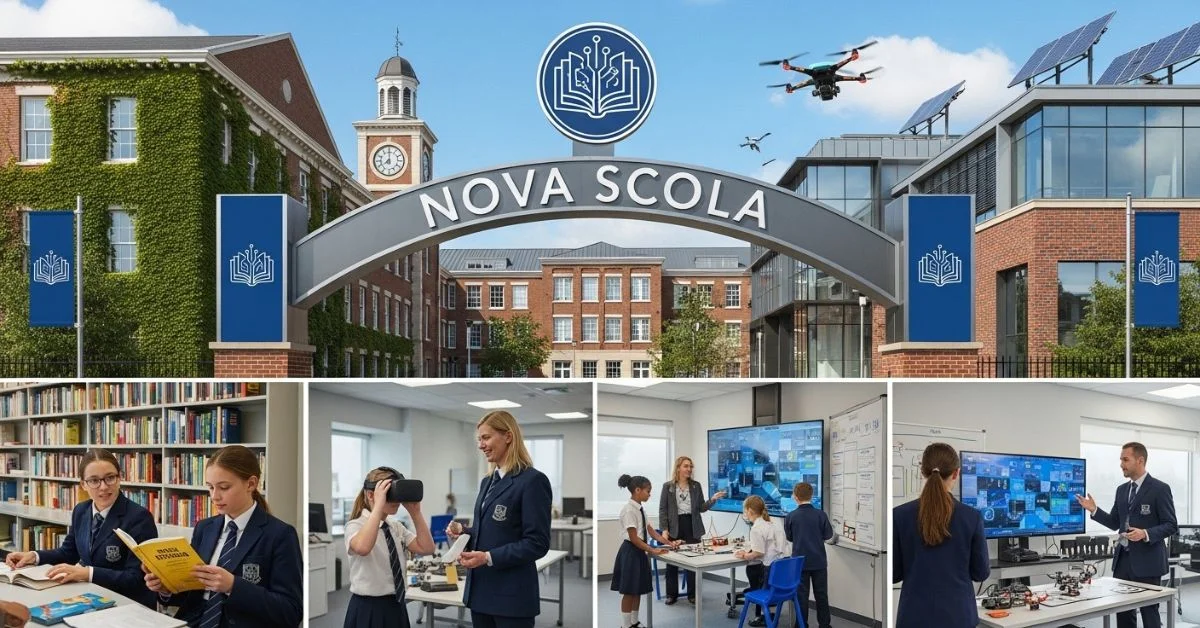
Introduction to Nova Scola
Nova Scola is a transformative educational framework that seeks to redefine the traditional paradigms of learning. Originating from the need to adapt to rapidly changing societal demands, this model emphasizes a holistic approach to education. The founders of Nova Scola envisioned an environment where innovation and creativity flourish, and where students are not merely passive recipients of information but active participants in their learning journey.
At the core of Nova Scola’s philosophy is the belief that education should be tailored to meet the diverse needs of students. Personalization is a key principle, allowing learners to pursue their interests while also addressing their individual strengths and challenges. This focus on personalized learning experiences ensures that each student can engage with the material in a way that resonates with them, ultimately fostering a deeper understanding and retention of knowledge.
Furthermore, Nova Scola promotes the idea of student engagement through interactive and collaborative learning environments. This approach encourages students to work together, share perspectives, and develop critical thinking skills necessary for solving real-world problems. By fostering cooperation and communication among peers, Nova Scola instills not only academic knowledge but also social skills that are essential in today’s interconnected world.
In addition to these principles, Nova Scola underscores the importance of nurturing creativity and innovation within the curriculum. By integrating project-based learning and interdisciplinary methods, students are encouraged to think outside the box and explore solutions that may not be immediately apparent within conventional educational frameworks. This comprehensive approach ultimately aims to prepare future generations for the complexities of modern life.
Key Features of Nova Scola
Nova Scola stands out in the educational landscape due to its innovative features that cater to contemporary learning needs. One significant aspect of Nova Scola is its thoughtfully designed curriculum, which aligns with both national standards and the evolving job market. This curriculum emphasizes interdisciplinary learning, allowing students to draw connections between subjects and apply their knowledge in real-world scenarios. By integrating various disciplines, Nova Scola nurtures a well-rounded educational experience.
Another hallmark of Nova Scola is its pedagogical approach, which prioritizes student engagement and active learning. Educators employ a mix of teaching strategies, including project-based learning and inquiry-driven methods, to create an interactive classroom atmosphere. This dynamic environment encourages students to take ownership of their education, cultivating a sense of responsibility and self-directed learning. Teachers act as facilitators, guiding students in collaboration and critical thinking rather than merely delivering information.
The integration of technology plays a pivotal role in Nova Scola’s educational model. Classrooms are equipped with up-to-date technological tools that enhance learning outcomes and prepare students for a digital future. This includes interactive whiteboards, online resources, and collaborative software that facilitate group work, allowing students to communicate and brainstorm ideas effectively. Such technological integration not only supports traditional learning but also equips students with essential skills for the modern workforce.
Furthermore, Nova Scola promotes creativity and collaboration among students. Regular creative projects, teamwork exercises, and open discussions are integral to the learning process. This environment encourages students to think outside the box, fostering innovation and adaptability—qualities that are increasingly valuable in today’s fast-paced world.
The Impact of Nova Scola on Students and Educators
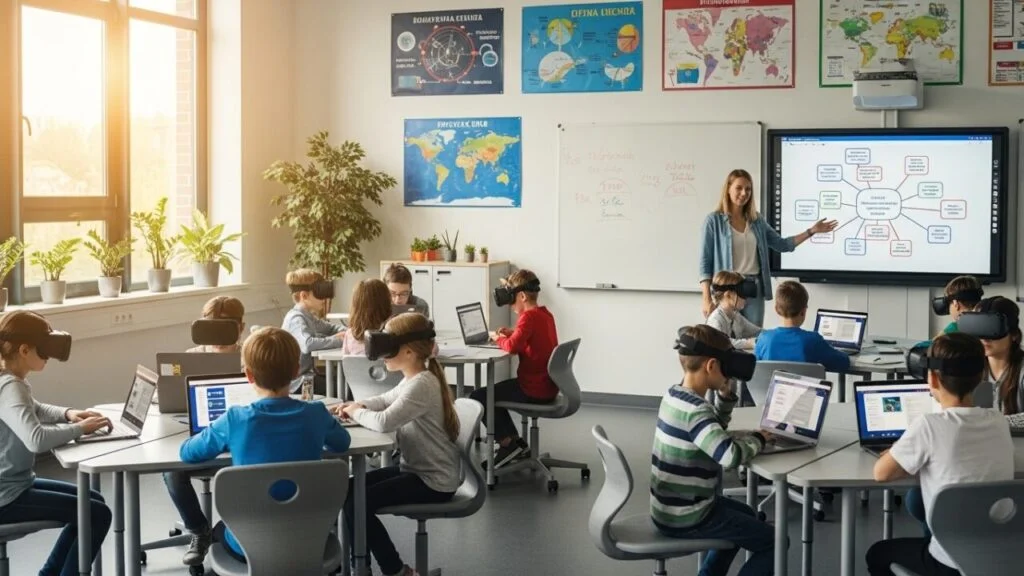
The Nova Scola educational model has significantly transformed the learning environment for both students and educators, yielding positive outcomes that merit attention. Various testimonials from students reveal enhanced motivation and engagement attributed to the interactive and collaborative learning methods promoted by Nova Scola. For instance, a student from a Nova Scola-based institution remarked, “The project-based learning approach not only makes classes enjoyable but also encourages me to think critically and work well with my peers.” This sentiment is echoed by many learners who appreciate the participatory nature of the program.
Moreover, statistical data supports the effectiveness of Nova Scola. Reports indicate that student academic performance has improved significantly, with some schools noting a 20% increase in overall grades since adopting this innovative framework. Additional surveys conducted within these institutions illustrate a 30% enhancement in student well-being, largely due to the emphasis on social-emotional learning. By focusing on personal growth alongside academic achievement, Nova Scola cultivates a more balanced educational experience.
For educators, the impact has similarly been profound. Teachers report heightened job satisfaction, stemming from the professional development opportunities and collaborative environments fostered by the Nova Scola framework. A survey conducted in participating schools revealed that 85% of teachers felt more adequately supported and equipped to innovate in their teaching techniques. However, it is essential to recognize the challenges faced during implementation, such as resistance to change and the need for substantial training resources. Addressing these challenges is crucial for fully realizing the benefits of the Nova Scola model.
The future of Nova Scola holds significant promise, as it adapts its educational methodologies to address evolving societal needs and technological advancements. This educational institution has already demonstrated an innovative approach to learning, prioritizing critical thinking, collaboration, and creativity. As the demand for adaptable skill sets grows, Nova Scola is poised to lead in reshaping the educational landscape.
One of the key future trajectories for Nova Scola involves potential expansions in both curriculum offerings and geographic reach. By introducing interdisciplinary programs that cater to emerging fields such as artificial intelligence and environmental science, Nova Scola can provide students with a broader educational experience that is relevant to contemporary challenges. Moreover, collaboration with industry leaders and educational institutions worldwide may foster international partnerships that enhance global learning perspectives.
As educators at Nova Scola observe shifts in workforce demands, their curriculum will likely continue to evolve, ensuring students are equipped with the knowledge and skills necessary for success. This adaptability signifies a proactive response to changes in technology and labor markets, thereby establishing Nova Scola as a pioneer in progressive education.
Furthermore, Nova Scola’s commitment to addressing social issues will likely shape its future endeavors. By integrating community engagement into the educational process, the institution can empower students to drive positive change in their environments. This integration aligns with a global movement toward social responsibility within educational frameworks.
In conclusion, the future of Nova Scola is bright, characterized by continuous evolution and a commitment to fostering a relevant and impactful educational experience. Through expansion, collaboration, and attentiveness to societal needs, Nova Scola is set to define the next generation of education.












Post Comment