Digital vs Traditional Art: Which One Is Right for You?
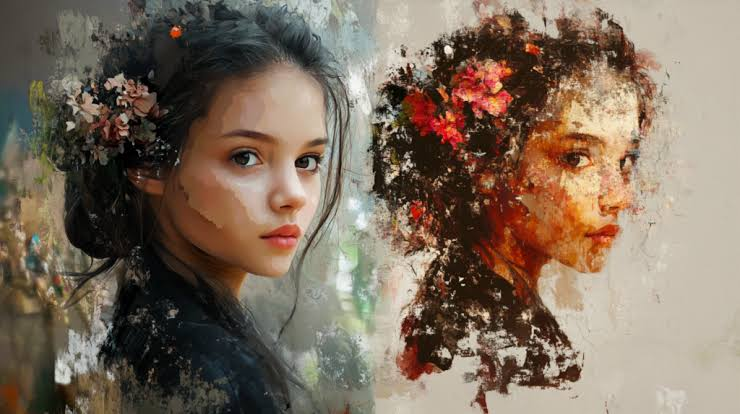
Art has changed with the development of new tools. Artists once relied mainly on pencils, brushes, paint, and paper, while today they can also create detailed work with tablets, drawing displays, and creative software. For beginners, Digital vs Traditional Art is worth understanding before choosing a preferred medium. Traditional art offers direct contact with physical materials, while digital art provides flexible editing and convenient file management. If you are interested in exploring digital drawing, a best drawing tablet for digital art can help make the transition from paper to screen more natural. However, the better choice depends on your goals, working habits, and preferred creative experience.
1. Digital vs Traditional Art: What Makes These Two Art Forms Different?
Traditional art is created with physical materials such as pencils, charcoal, watercolor, acrylic, oil paint, markers, and ink. Artists usually work on paper, canvas, wood, or other physical surfaces. The texture of the surface and the behavior of each material directly influence the final artwork.
Digital art is created with electronic devices and software. Depending on the workflow, artists may use a computer, pen tablet, or drawing display together with illustration or painting software. Digital programs provide tools such as layers, adjustable brushes, color palettes, selections, and transformation functions.
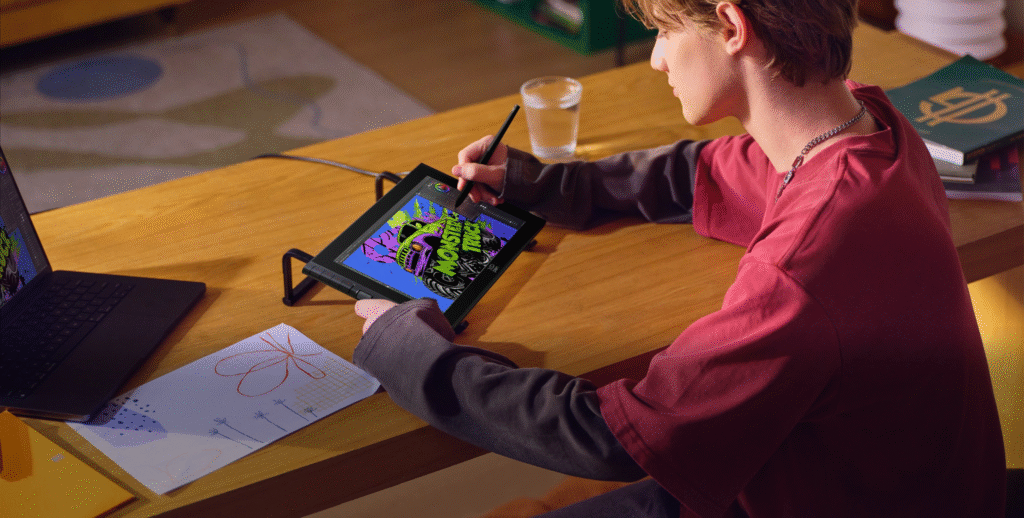
Despite these differences, the artistic foundation remains similar. Both forms require an understanding of proportion, perspective, composition, lighting, color, and visual balance. Digital tools can make some tasks faster, but they cannot replace artistic judgment or creative thinking.
Another important difference in Digital vs Traditional Art is how the finished work is stored. Traditional paintings and drawings need physical space and careful protection. Digital artwork can be stored on a computer or external drive, backed up, edited, and shared online.
The two approaches can also work together. An artist may begin with a pencil sketch and then develop it digitally. Others may create a digital concept before producing a physical painting. Therefore, digital and traditional methods do not always have to compete with each other.
2. Digital vs Traditional Art: How Do the Creative Experiences Compare?
Traditional art provides a direct physical connection between the artist, tool, and surface. A pencil produces different marks depending on pressure and angle, while watercolor reacts to water and paper. Paint can also create visible texture that becomes part of the artwork.
This physical feedback is one reason many artists enjoy traditional techniques. The medium has its own characteristics, and artists often need to adapt to them. Mistakes may also require more planning because large changes can be difficult once the work has progressed.
Digital art provides a different kind of freedom. Artists can experiment with colors, brushes, layers, and compositions without using additional physical materials. If something goes wrong, the undo function can usually reverse the change immediately.
The main differences can be summarized below:
| Aspect | Traditional Art | Digital Art |
| Main tools | Pencils, brushes, paint, paper, canvas | Tablet, display, stylus, software |
| Surface | Physical materials | Digital workspace |
| Editing | Erasing or repainting | Undo, layers, selections |
| Materials | Physical supplies | Hardware and software |
| Storage | Requires physical space | Stored as digital files |
| Sharing | Scanning or photography may be needed | Direct digital sharing |
| Creative feel | Strong tactile feedback | Flexible and adjustable |
| Common uses | Painting, sketching, exhibitions | Illustration, design, animation |
When comparing Digital vs Traditional Art, neither medium should automatically be considered superior. The best option depends on what the artist values most. Some prefer the physical feeling of paper and paint, while others appreciate the flexibility of digital tools.
3. Digital vs Traditional Art: Which Is Easier to Learn and Edit?
Digital art can appear easier because mistakes can often be corrected quickly. However, editing convenience does not mean that digital drawing requires fewer artistic skills.
Traditional drawing is useful for developing hand control, observation, proportion, shading, and composition. Because changes can be more difficult, beginners often learn to think carefully about each mark. This can help build a strong understanding of basic drawing principles.
Digital art allows artists to experiment more freely. Different elements can be placed on separate layers, allowing the artist to modify one part without changing the entire image. Colors can also be adjusted, objects can be moved, and compositions can be tested quickly.
This flexibility is particularly useful for professional projects. For example, if a client requests a different background color or wants an illustration resized, a digital artist may be able to make the change without starting over.
However, digital tools have their own learning curve. Beginners need to become familiar with software interfaces, layers, brush settings, shortcuts, and file formats. Artists who are accustomed to paper may also need time to adjust to drawing with a stylus.
Therefore, Digital vs Traditional Art is not simply a question of which one is easier. Traditional art requires greater control over physical materials, while digital art combines drawing skills with knowledge of digital tools.
4. Why Is Digital Art Becoming More Popular?
Digital art has become common in fields such as illustration, animation, gaming, advertising, publishing, graphic design, and social media. One reason is that digital files fit easily into modern creative workflows.
Artwork can be edited, resized, duplicated, delivered to clients, and prepared for different platforms. This can save time when a project requires multiple versions or frequent revisions.
Drawing devices also make digital creation more intuitive. While a mouse works well for selecting and moving objects, it is not always comfortable for detailed drawing. A pressure-sensitive stylus provides a more natural hand movement and allows artists to create lines that feel closer to traditional drawing.
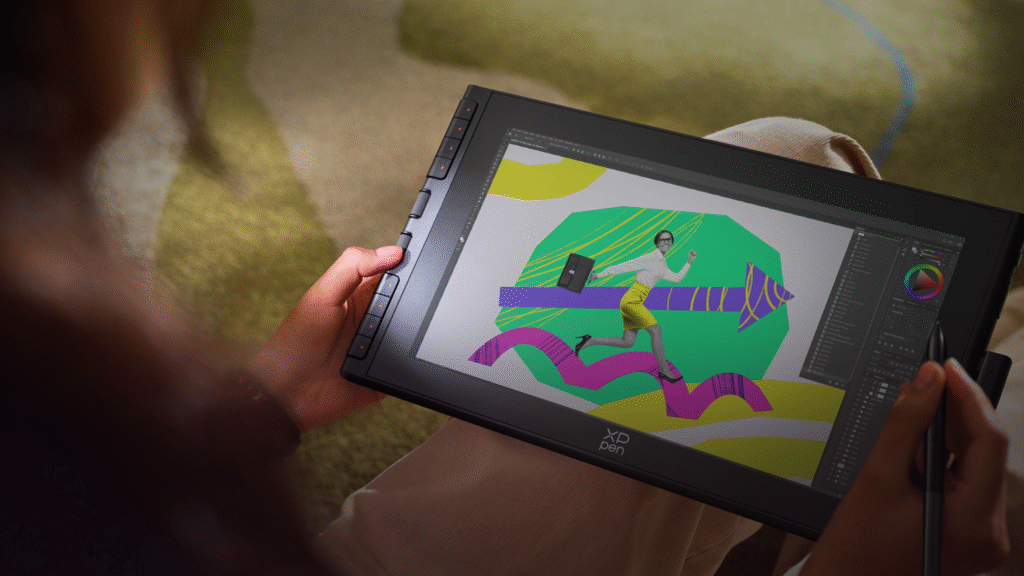
For artists considering Digital vs Traditional Art, a drawing display can be especially useful because the image appears directly beneath the stylus. This can make sketching, line work, coloring, and detail work easier to control.
The XPPen Artist Artist 12 3rd is an example of a drawing display designed for this type of workflow. It allows users to draw directly on the screen while working with compatible creative software. For someone moving from traditional drawing to digital creation, this setup can provide a familiar pen-on-surface experience while retaining the advantages of digital editing.
That said, not every artist needs the same equipment. The right device depends on the type of artwork, software, budget, and available workspace. A simple and comfortable setup may be more useful to a beginner than a device with features they rarely use.
5. Digital vs Traditional Art: Which One Should You Choose?
The right choice depends largely on your creative goals.
Traditional art may suit artists who enjoy physical materials and tactile feedback. It can also be a good starting point for people who want to develop fundamental drawing skills without relying heavily on digital functions.
Digital art may be more suitable for artists who plan to create illustrations, animations, graphic designs, game assets, or online content. Its editing functions are particularly helpful when artwork needs frequent changes.
However, choosing between Digital vs Traditional Art does not have to be permanent. Many artists use both methods depending on the project. A traditional sketch can become the foundation of a digital illustration, while a digital concept can later be recreated with paint or another physical medium.
Using both approaches can also expand an artist’s skills. Traditional practice can strengthen observation and hand control, while digital practice can improve editing, experimentation, and production efficiency.
For beginners, the simplest approach is to start with the medium that feels most interesting. If you enjoy pencils and paint, explore traditional techniques first. If you are interested in digital illustration or online content, try digital tools. Over time, you can add the other medium when your projects require it.
6. Conclusion
Digital vs Traditional Art is not a competition with one universal winner. Traditional art offers physical materials, tactile feedback, and the unique character of an original piece. Digital art provides flexible editing, convenient storage, and an efficient workflow for modern creative projects.
The best medium depends on your goals, budget, preferred working style, and the type of artwork you want to create. More importantly, tools should support artistic development rather than replace it. Strong drawing fundamentals, observation, composition, color knowledge, and creativity remain important in both forms.
Once you understand the differences between Digital vs Traditional Art, you can choose the method that fits your needs—or combine both to create a workflow of your own.










Post Comment